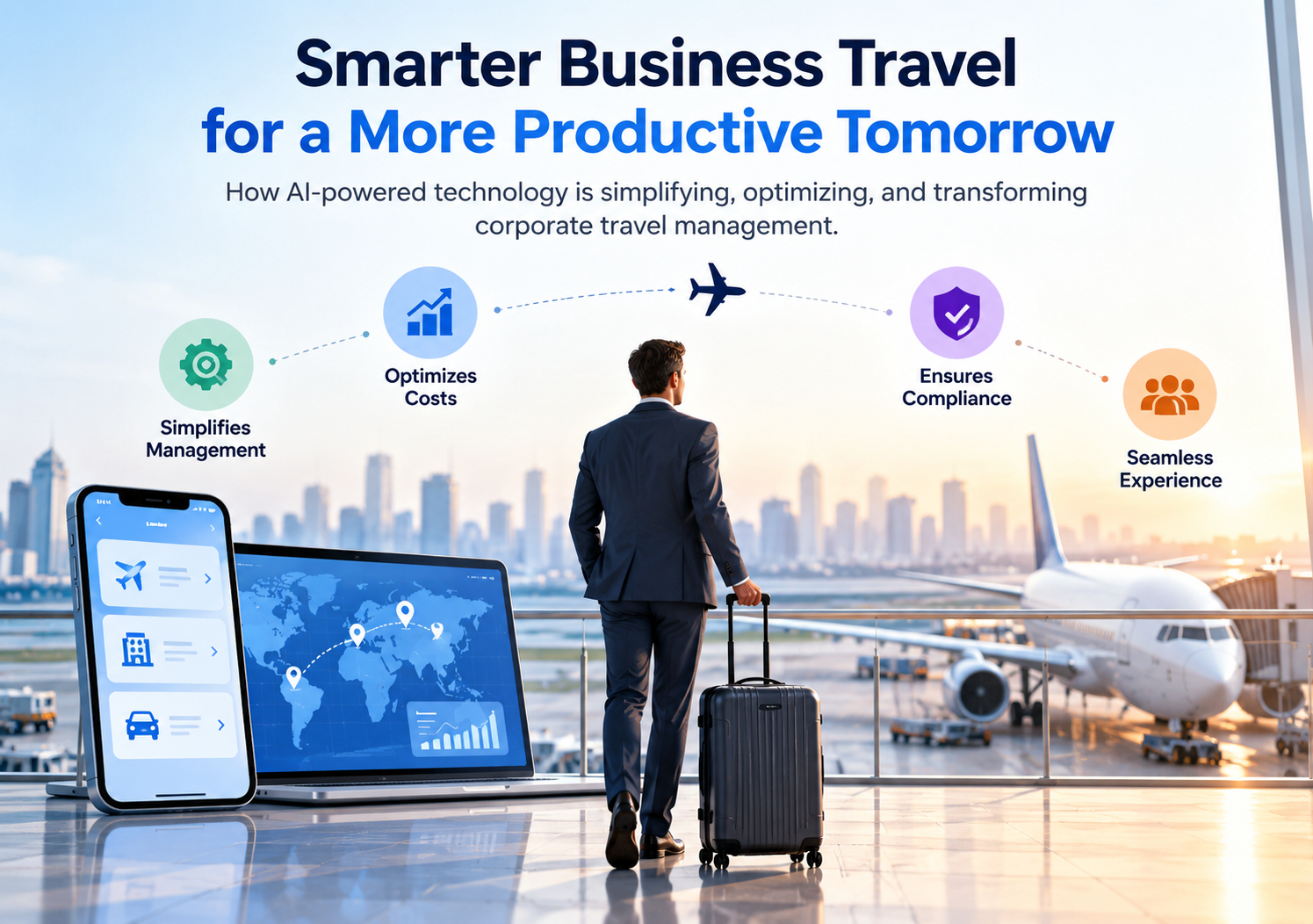


Corporate travel plays an important role in business growth, helping companies build relationships, attend industry events, meet clients, and explore new opportunities. However, managing business trips can become complicated when organizations need to coordinate bookings, control expenses, maintain travel policies, and ensure a smooth experience for employees. Without an efficient system, these responsibilities can consume valuable time and create unnecessary costs.
Modern corporate travel management is evolving with the help of artificial intelligence, automation, and connected digital platforms. Businesses can now simplify travel planning, improve visibility into expenses, and make more informed decisions throughout the travel process. TripSmart is committed to transforming corporate travel through technology that makes business journeys more efficient, cost-effective, and convenient.
The Growing Importance of Corporate Travel Management
Business travel involves more than arranging flights and accommodation. Companies must coordinate employee schedules, manage travel budgets, establish approval workflows, and ensure that bookings align with internal policies. As organizations grow, handling these activities manually can become increasingly challenging.
An effective corporate travel management platform brings essential travel activities into a more organized process. It helps businesses improve coordination, maintain visibility into travel arrangements, and reduce the administrative burden on employees and travel managers.
With a centralized approach, companies can spend less time managing travel logistics and more time focusing on business priorities.
How AI Is Transforming Business Travel
Artificial intelligence is changing how organizations plan and manage business trips. By helping analyze travel information, identify patterns, and automate routine activities, AI-powered travel management can support faster and more informed decisions.
Businesses can use intelligent technology to improve travel planning, identify opportunities for cost savings, and streamline repetitive administrative tasks. Automation can also reduce manual data entry and make important travel information easier to access.
As these capabilities continue to evolve, companies can build more responsive travel processes that adapt to changing schedules, budgets, and employee requirements.
Simplifying the Corporate Travel Process
A complicated booking process can create frustration for employees and additional work for administrators. Disconnected tools, repeated data entry, and unclear approval procedures can slow down the entire travel experience.
Digital travel management helps bring these processes together, making it easier to organize travel requirements and coordinate trip-related activities. A more streamlined workflow can improve communication between employees, managers, and travel coordinators while reducing unnecessary administrative steps.
For businesses managing frequent trips, simplifying the travel process can contribute to greater productivity and a more consistent employee experience.
Optimizing Business Travel Costs
Travel expenses can represent a significant operational cost, particularly for organizations with employees traveling regularly. Airfare, accommodation, ground transportation, and last-minute changes can make it difficult to maintain control over travel budgets.
Corporate travel technology can help businesses improve expense visibility and identify opportunities to manage spending more effectively. Access to organized travel information allows decision-makers to review spending patterns, evaluate travel requirements, and make better-informed choices.
AI-powered analysis can further support cost optimization by helping businesses identify trends and potential savings. Combined with clear travel policies and effective planning, these capabilities can help organizations balance affordability with employee convenience.
Improving Travel Policy Compliance
Maintaining compliance with company travel policies is essential for controlling expenses and ensuring consistency. Employees need clear guidance on approved booking options, spending limits, accommodation standards, and authorization requirements.
A structured corporate travel management process can make these policies easier to communicate and follow. Standardized approval workflows and accessible travel information help employees understand expectations before making arrangements.
Better visibility into travel activities can also help managers identify potential exceptions and address issues earlier. By integrating policy awareness into the travel process, businesses can encourage responsible spending without creating unnecessary friction for employees.
Creating a Seamless Employee Travel Experience
A successful business trip should allow employees to concentrate on their work rather than deal with complicated travel arrangements. Unclear booking procedures, fragmented information, and avoidable administrative delays can make business travel more stressful than necessary.
A user-friendly corporate travel platform helps create a smoother experience by making relevant travel information easier to access and manage. Simplified processes can reduce confusion and help employees organize their journeys more confidently.
When businesses prioritize convenience alongside cost control and compliance, they can create travel experiences that better support employee productivity and satisfaction.
The Value of Connected Travel Technology
When travel information is scattered across emails, spreadsheets, booking services, and expense systems, maintaining an accurate overview becomes difficult. A connected technology platform can help bring important information into a more organized environment.
This approach can improve coordination between employees, finance teams, managers, and travel administrators. It can also support more consistent reporting and help businesses understand how travel activities align with operational objectives.
Integrated travel technology creates a stronger foundation for managing business journeys, especially as organizations expand across departments, locations, and markets.
Preparing for the Future of Corporate Travel
The future of corporate travel management will continue to be shaped by automation, artificial intelligence, data-driven decision-making, and more personalized digital experiences. Businesses will increasingly look for solutions that reduce administrative complexity while providing greater control over costs and travel policies.
As technology advances, organizations may benefit from more intelligent recommendations, improved travel insights, and increasingly streamlined workflows. However, successful adoption will also depend on usability, reliable information, data security, and the ability to adapt technology to real business requirements.
Companies that embrace practical digital solutions can position themselves to manage travel more efficiently as employee expectations and business needs evolve.
Why TripSmart Is Relevant to Modern Businesses
TripSmart is focused on transforming corporate travel management through technology that simplifies, optimizes, and streamlines the overall process. Its approach emphasizes AI-powered solutions, operational efficiency, cost optimization, compliance, and a user-friendly experience for businesses and employees.
By bringing these priorities together, TripSmart aligns with the growing need for more organized and technology-driven business travel processes. Organizations seeking to improve how they coordinate corporate journeys can explore TripSmart to learn more about its approach to modern travel management.
Conclusion
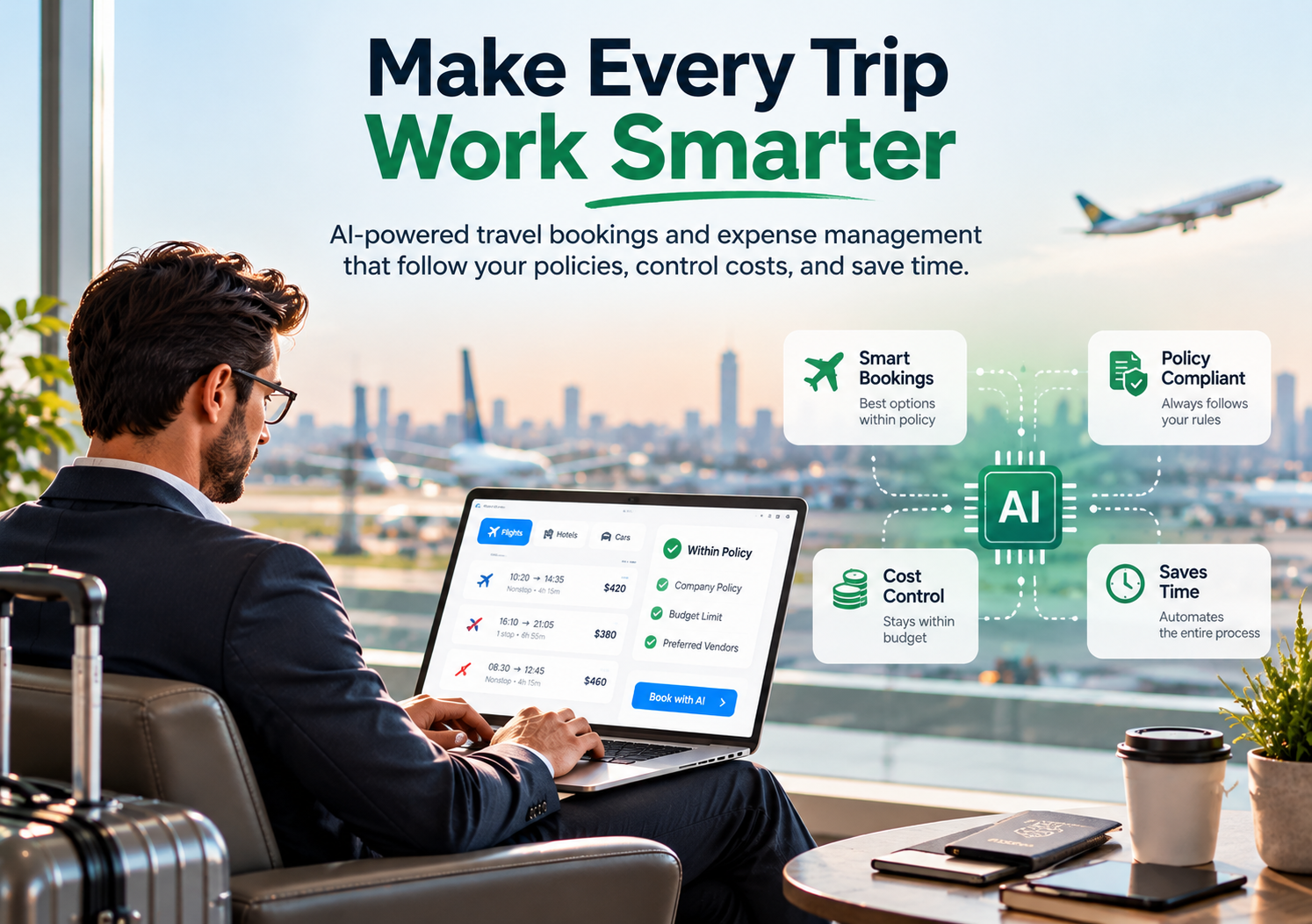
Corporate travel is an important part of business development, but managing it efficiently requires the right combination of technology, organization, and policy control. AI-powered corporate travel management can help businesses simplify travel processes, optimize expenses, improve compliance, and deliver a smoother experience for employees.
As organizations continue to adopt digital solutions, connected travel platforms will play an increasingly important role in improving operational efficiency and supporting better decisions. By embracing smarter travel management practices, businesses can reduce unnecessary complexity and make every business journey more productive.
TripSmart represents this technology-driven approach to corporate travel, helping businesses move toward a more efficient, organized, and seamless travel management experience.
Leave a reply