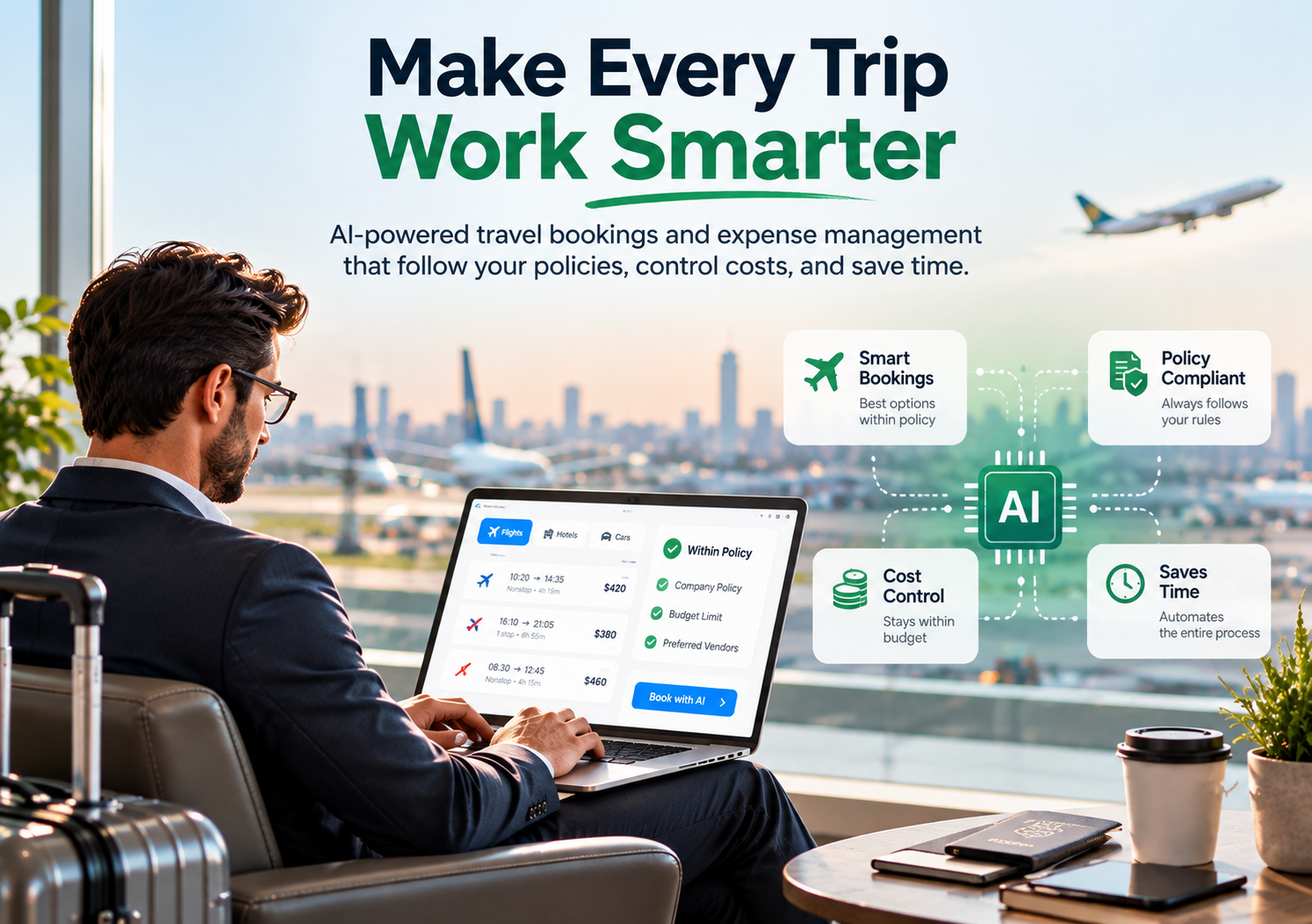



Business travel plays an important role in building relationships, exploring new opportunities, and driving business growth. However, managing corporate travel can become complicated when employees need to book flights, arrange accommodations, follow company policies, and stay within approved budgets.
Traditional travel management often involves manual bookings, lengthy approval processes, scattered expense records, and limited visibility into spending. These challenges can consume valuable time and make it difficult for businesses to maintain control over travel costs.
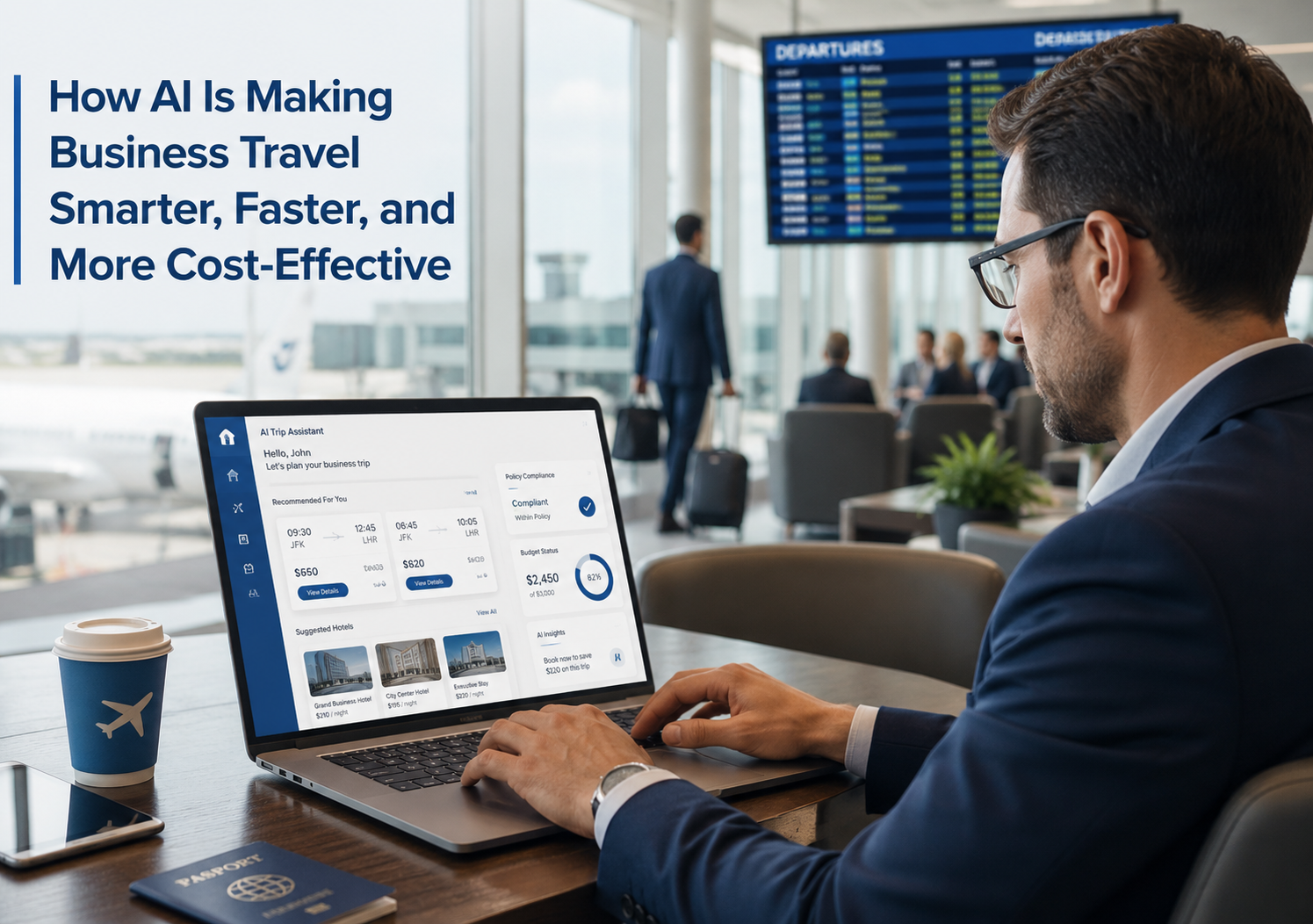
TripSmart helps businesses simplify corporate travel with AI-powered travel booking and expense management. By automating booking decisions according to company policies and budget requirements, TripSmart helps organizations make smarter travel decisions, improve efficiency, and maintain better financial control.
What Is AI Travel Expense Management Software?
AI travel expense management software helps businesses manage corporate travel bookings, expenses, policies, and approvals through intelligent automation. Instead of relying entirely on manual processes, businesses can use AI-powered systems to identify suitable travel options, evaluate costs, and support policy-compliant decisions.
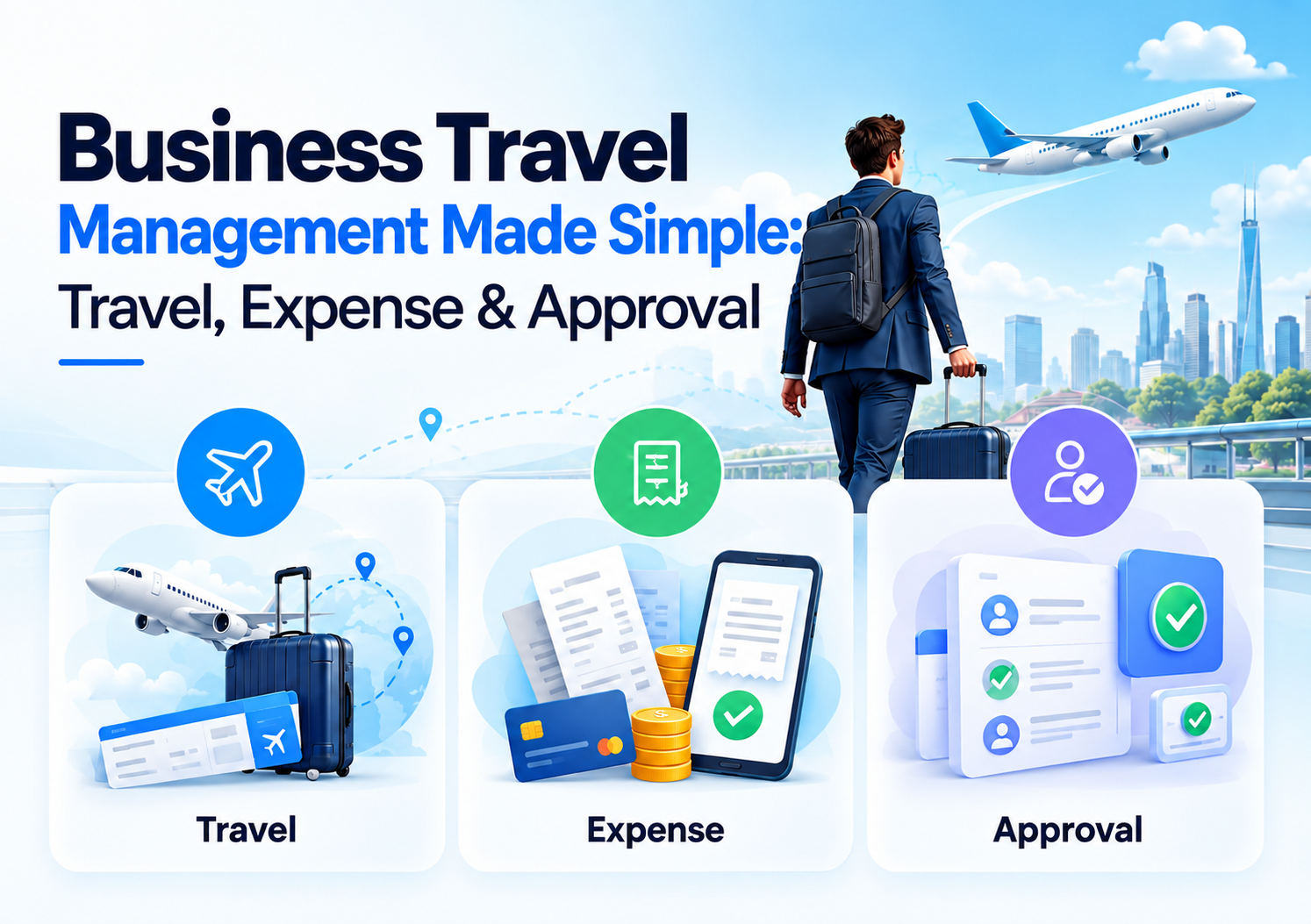
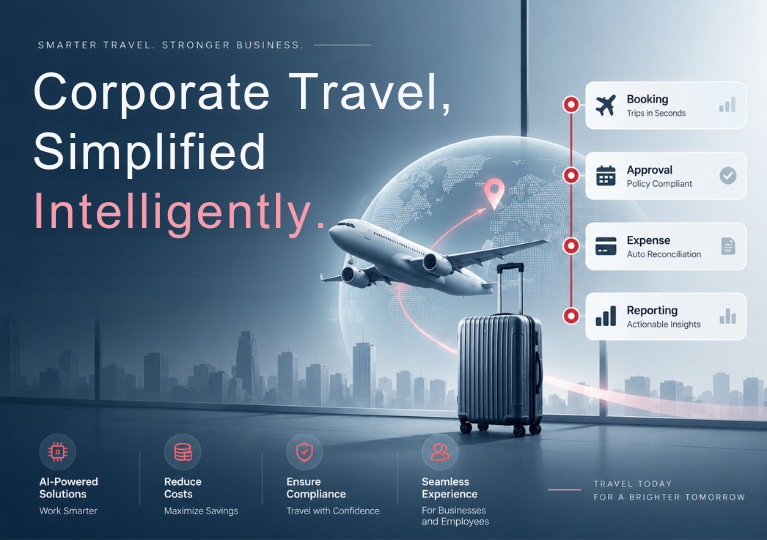
A modern corporate travel management solution can automate travel booking workflows, identify options that meet company policies and budgets, simplify approval processes, improve expense visibility, reduce repetitive administrative tasks, and support consistent travel management across teams. TripSmart brings these priorities together to help businesses manage corporate travel more efficiently.
1. Automate Corporate Travel Bookings
Manual travel booking can involve comparing multiple options, checking internal policies, and coordinating approvals. When employees travel frequently, these tasks can become a significant administrative burden. AI-powered travel booking helps simplify the process by evaluating available options against business requirements. With a more automated approach, organizations can reduce repetitive work, streamline booking decisions, and help employees arrange business trips with greater convenience. The result is a more efficient booking experience for employees and travel managers.
2. Keep Travel Decisions Within Company Policies
Corporate travel policies help businesses maintain consistency, manage expenses, and establish clear booking guidelines. However, enforcing these policies manually across departments can be challenging. TripSmart focuses on automating bookings in line with company policies and budget requirements, helping organizations make more consistent travel decisions. A policy-focused travel management process supports established booking guidelines, encourages budget-conscious travel choices, helps reduce avoidable policy exceptions, and makes booking decisions easier to review. When policy compliance becomes part of the booking workflow, businesses can manage travel more systematically.
3. Improve Corporate Travel Budget Control
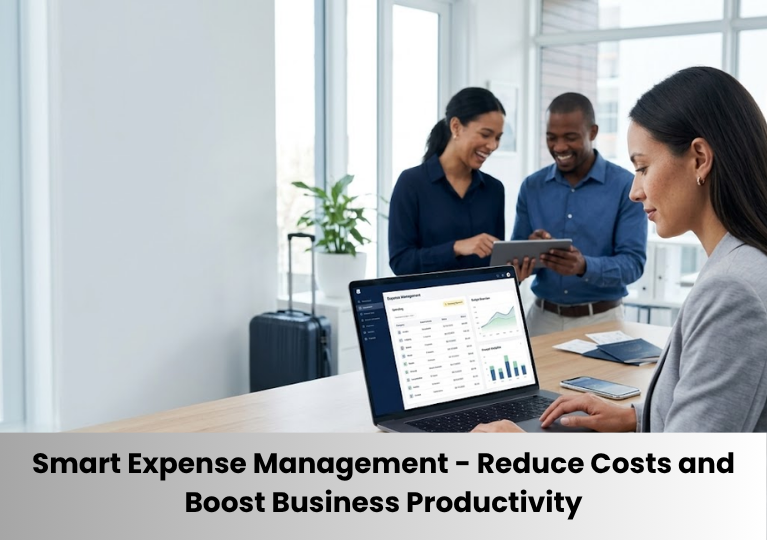
Business travel costs can increase when bookings are made without sufficient visibility into budgets, available options, or company requirements. Effective corporate travel expense management helps organizations understand where travel spending occurs and make more informed decisions before costs are committed. AI-assisted booking can support budget-conscious choices by evaluating travel options against defined financial requirements. This helps businesses compare travel options, align bookings with approved budgets, reduce unnecessary expenses, improve spending oversight, and support better financial planning. Better budget control starts with smarter decisions before the journey begins.
4. Simplify Travel Approvals and Save Time
Slow approval workflows can delay bookings and create unnecessary back-and-forth between employees, managers, and finance teams. Business travel automation helps reduce administrative friction by making booking requirements and company policies part of a more structured process. With automated workflows, organizations can work toward faster decision-making, clearer responsibilities, and fewer repetitive manual checks. This allows employees to focus on their business objectives while travel administrators spend less time coordinating routine booking activities.
5. Improve Visibility Into Business Travel Expenses
Visibility is essential for organizations that want to manage travel costs effectively. Without a clear view of booking decisions and expenses, businesses may struggle to identify spending patterns or evaluate whether travel aligns with their budgets. A centralized corporate travel management approach can bring travel-related information into a more organized workflow. Better visibility supports informed travel planning, improved expense oversight, clearer budget accountability, consistent policy enforcement, and better decisions for future business trips. When businesses have greater visibility into travel activities, they can make decisions based on requirements rather than guesswork.
6. Use AI to Make Smarter Travel Decisions
Artificial intelligence is changing how organizations approach business travel. Instead of depending solely on manual comparisons and repetitive administrative work, businesses can use AI to support more efficient decision-making. In travel management, AI can help evaluate booking options against defined policies, budgets, and business requirements. This approach can make travel planning more consistent while reducing the effort involved in routine decisions. For companies managing frequent business trips, intelligent automation can become an important part of improving operational efficiency. TripSmart is designed around this principle: using AI-powered booking automation to align travel decisions with company policies and budget requirements.
7. Create a Better Experience for Employees and Administrators
Corporate travel management should support employees without creating unnecessary complexity for the people responsible for controlling costs. Employees need a convenient way to arrange business travel, while managers and finance teams need confidence that bookings follow established guidelines. An effective travel management system brings these needs together by simplifying workflows and supporting consistent decision-making. By reducing repetitive booking tasks and making policy requirements central to the process, businesses can create a more organized experience for everyone involved.
8. Why Businesses Need Modern Corporate Travel Management Software
As organizations grow, travel requirements often become more complex. More employees, more destinations, and tighter budgets can make manual travel coordination increasingly difficult. Modern corporate travel management software helps businesses establish repeatable processes that support changing operational needs. Businesses should prioritize automation to reduce repetitive administrative work, policy compliance to align bookings with company guidelines, budget control to support cost-conscious decisions, efficiency to simplify workflows, visibility to improve spending oversight, and scalability to accommodate evolving travel requirements. Choosing a solution that aligns with these priorities can help businesses build a more consistent and manageable travel process.
9. The Future of Business Travel Is Intelligent
The future of corporate travel management will increasingly focus on automation, intelligent recommendations, cost awareness, and simpler employee experiences. Businesses will continue looking for ways to reduce administrative workloads while maintaining control over budgets and company policies. AI-powered systems can help bridge this gap by supporting faster evaluations, more consistent workflows, and more informed booking decisions. As these capabilities evolve, intelligent travel management can become a valuable part of broader business operations, helping organizations use their time and resources more effectively.
Conclusion
Corporate travel should support business growth, not create unnecessary administrative complexity. Manual bookings, unclear policies, slow approvals, and limited expense visibility can make travel management harder than it needs to be.
TripSmart helps businesses take a smarter approach to corporate travel through AI-powered booking automation aligned with company policies and budget requirements. By focusing on booking efficiency, policy compliance, budget control, and streamlined workflows, businesses can simplify travel management and make more informed decisions. Whether an organization wants to reduce repetitive administrative tasks or improve control over business travel spending, intelligent travel management offers a practical path forward. Make every trip work smarter with TripSmart.
Leave a reply