


Travel is a cornerstone of the global business landscape. Whether meeting clients, attending conferences, or managing operations in multiple locations, business travel builds connections and drives growth. Business travel & expense management. However, travel costs have surged in airfares, lodging, meals, and local transportation, posing significant challenges to organizations.
The challenge is finding a balance: how can companies minimize travel expenses without jeopardizing employees' comfort or productivity? The solution is to use Business Travel and Expense Management tools that add transparency, control, and efficiency to the process.
Now we can discuss how companies can attain this balance in practice.
Adopt a Strategic Travel Policy
A clear travel policy is the starting block of proper cost management. There are numerous organizations with no one or using outdated policies that allow confusion and excessive expenditure.
A modern travel policy should define:
Reservation process: Preferred suppliers, airlines, and hotel brands.
Expenses: Air travel, food, and lodging.
Approval level: Who should approve what and at what time.
Reimbursement policies: What is and what is not.
However, this is the important point here: a travel policy must not be restrictive. Employees will be more accepting when they know the reason why some rules should be followed (as in the case of booking flights 14 days ahead saves money). Companies can also formulate flexible policies whereby long-haul flight or business-vital trips can be enhanced without causing inconvenience, and unnecessary costs can also be avoided.
Leverage Business Travel and Expenses Management Software
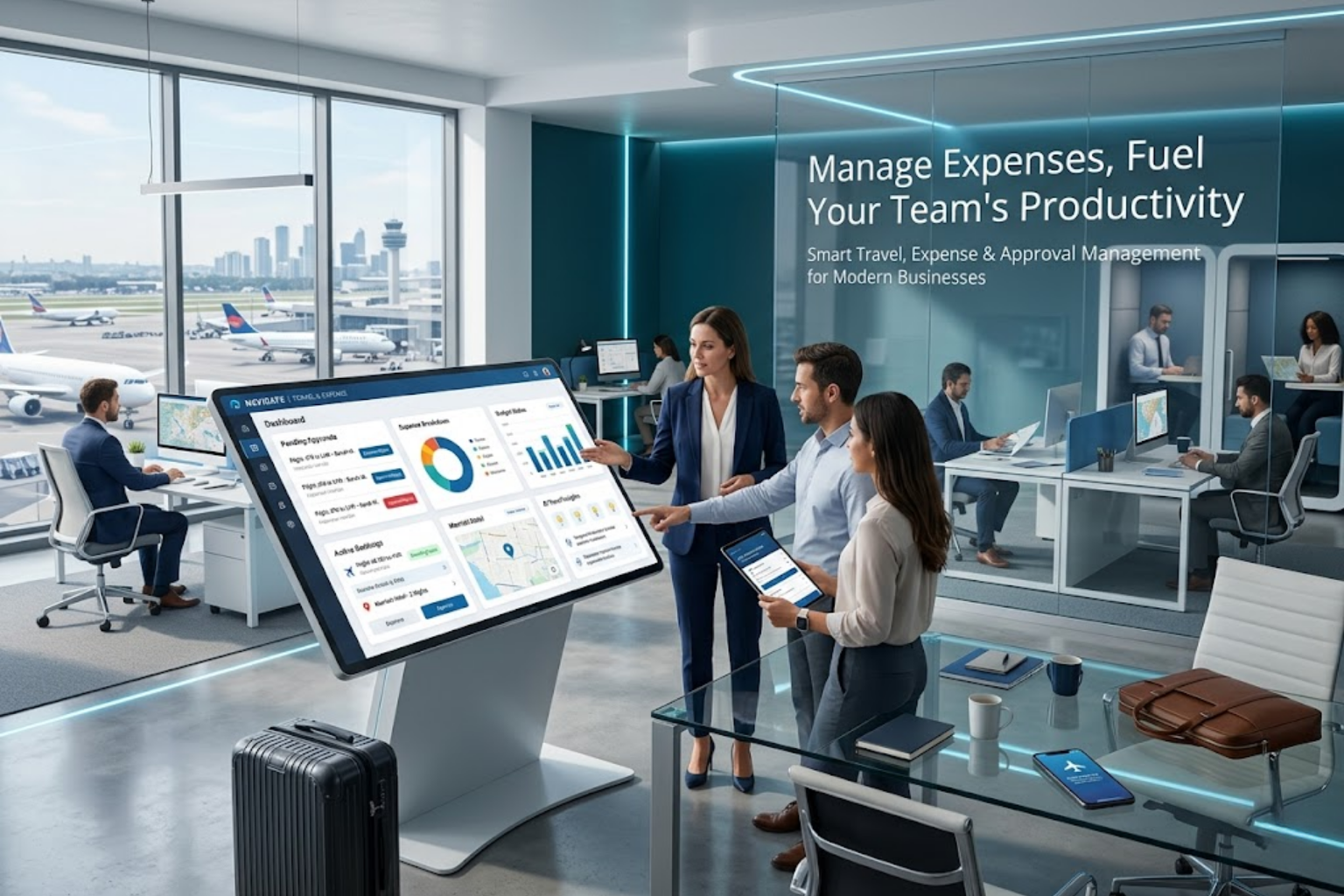
The use of technology-driven Business Travel and Expense Management solutions is one of the best methods of reducing expenditure without reducing comfort.
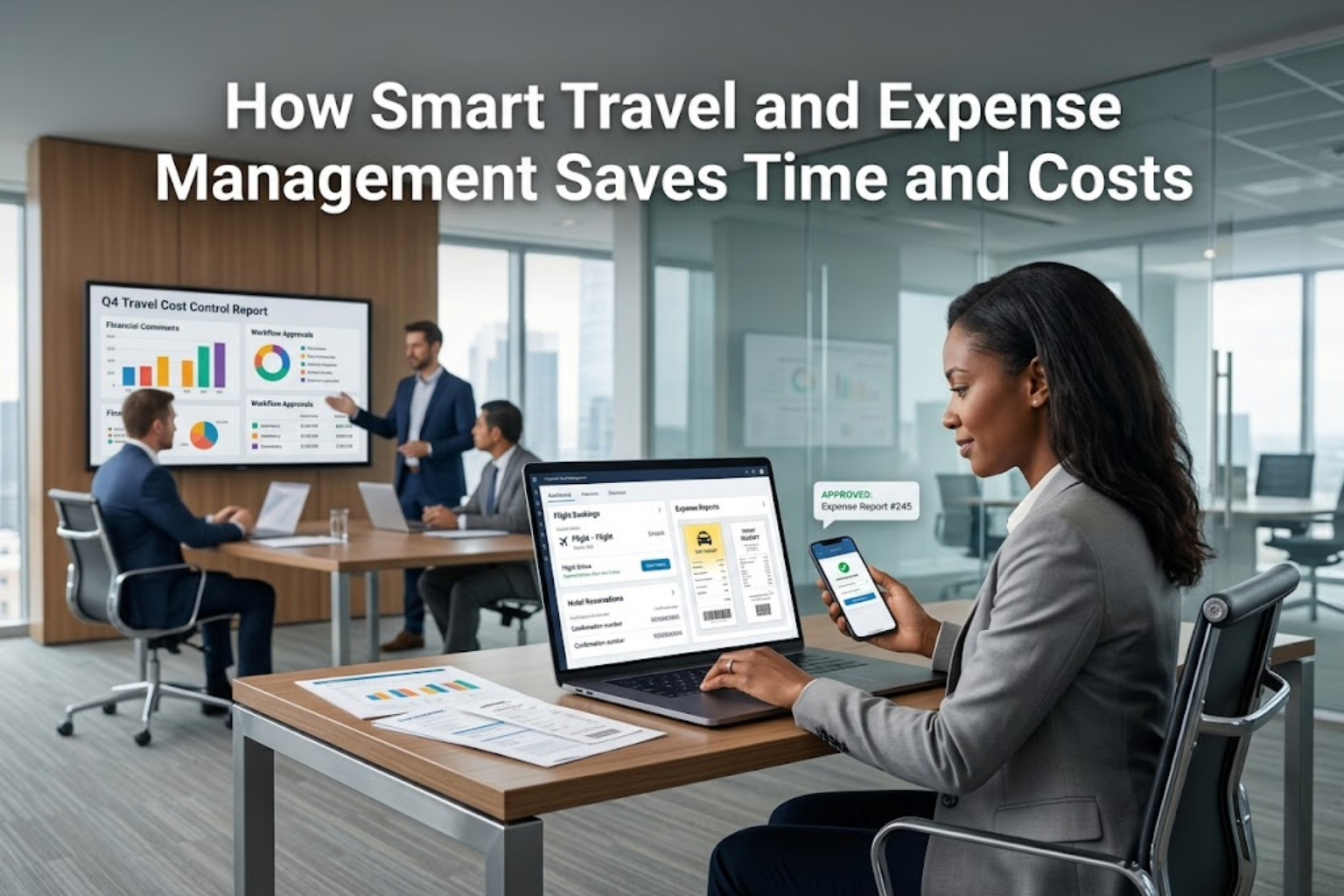
All of this, including trip planning and booking, expense tracking, and reimbursement, is automated on these platforms. Directly through integrated systems, the employees are able to book approved flights and hotels, and company discounts are automatically applied. Claimed expenses are simplified using digital receipts that minimize paperwork and errors.
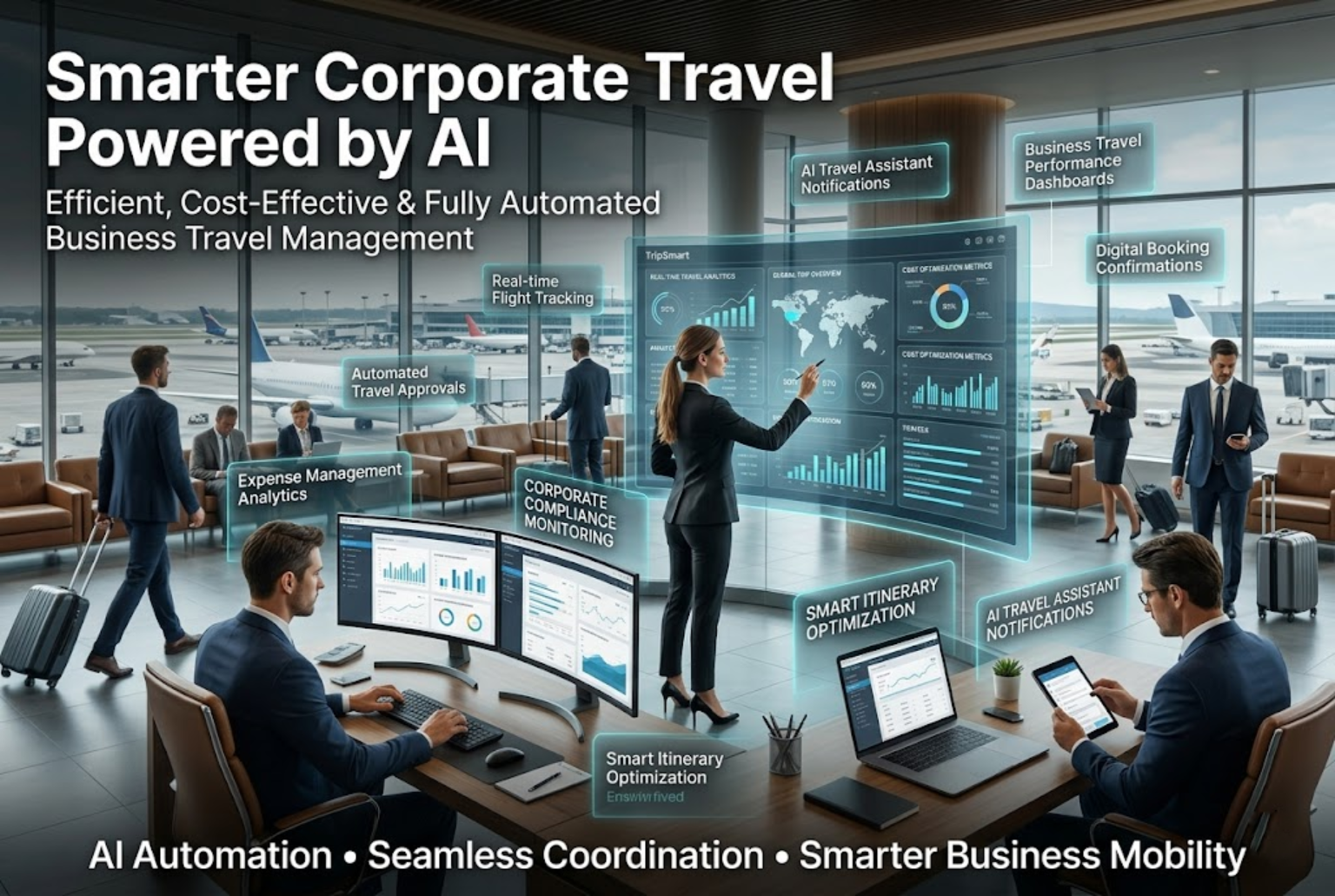
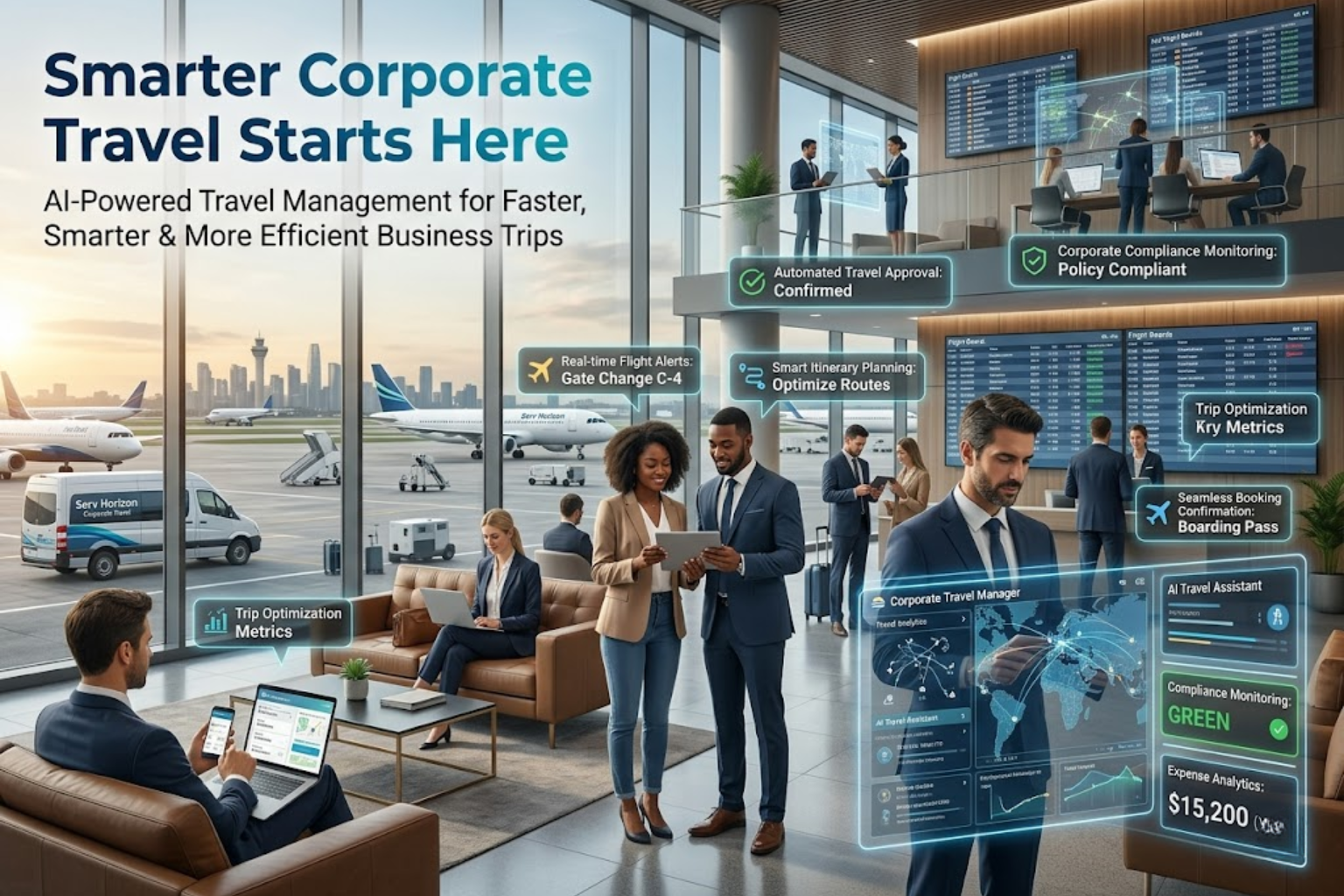
To the finance teams, such tools give a real-time insight into the spending patterns and can be used to detect cost leakages, and can be used to negotiate better deals with the travel partners. Through AI-based analytics, companies are even able to predict the travel budget in the future and optimize it.
SAP Concur, Zoho Expense, or TravelPerk are the most popular solutions and are customizable dashboards and mobile applications that ensure that travelers remain comfortable and administrators stay in control - a nice balance of comfort and cost-effectiveness.
Promote intelligent Booking
A small budget will help to save a lot of money. Hotel rates and airfares are usually better when employees book early. Similarly, the flights can also be selected at an off-peak time or a day that is less crowded, such as on Tuesday or Wednesdays, and save up to 20 percent.
Companies can also:
Use price comparison tools to make sure that they receive the most appropriate deal.
Get corporate rates at hotels or airlines frequented a lot.
Reward employees who are able to always book within budget.
Such strategies are not only beneficial in reducing the cost but also in instilling a feeling of joint responsibility in the employees in the matter of travel budgeting.
Use Alternative Accommodation Choices
Luxury hotels may be an ideal choice, but in most cases, they are also expensive. In the short-term cases of business stay, it might be advisable to look at other places of accommodation like service apartments, co-living, or even boutique hotels that offer similar comfort with reduced prices.
An example is serviced apartments, which are fitted with kitchenette and laundry, which is ideal when staying long as the cost of meals and laundry is saved in the long run.
By collaborating with travel platforms or aggregators, one will also be able to get special discounts on frequent bookings, so there is no need to spend too much to be comfortable.
Encourage Virtual Meetings where possible
The pandemic increased the use of digital collaboration tools, demonstrating that not every meeting is one that should be physically present. The promotion of such platforms as Zoom, Microsoft Teams, or Google Meet by teams can save a lot of money related to travelling.
Nevertheless, this does not imply an end to traveling. The strategic trips that lead to business expansion, such as building relationships with the client or important negotiations, should still be a priority. The trick is to distinguish between the necessary and unnecessary travel, so that one can ensure that each trip should have a quantifiable value.
Streamline Expense Reimbursement Processes
The uncoordinated expensed reimbursement system may result in excessive expenditure, mistakes, and even embezzlement. By automating this using Business Travel and Expense Management software, it will be possible to automate approvals, identify duplicate claims, and grant timely reimbursement.
For example:
Receipts are scannable through the application of mobile application.
Routings of approvals are automatic.
Travel policies may be compared to expense reports.
This not only alleviates the administration load, but also keeps employees happy as they get their reimbursements faster, morale and comfort are maintained, and compliance becomes a lot easier.
Develop relationships with Travel Providers
The development of long-term relations with the airlines, hotel chains, and travel agencies may result in considerable cost advantages. Corporate accounts are usually accompanied by volume discounts, cancellation options, and loyalty programmes that help to add comfort to frequent passengers.
Fixed rates or special offers, such as access to the lounge, free breakfast, or priority check-ins, are the way to make sure that employees have a comfortable experience traveling, but the organization can maintain its costs.
Keep an eye on and evaluate Travel Data
The new currency of cost management is data. A centralized system, which keeps the records of all expenses involved in traveling, can give some important insights, including the most costly route, vendors, or employees.
The analysis of this data helps companies to:
Determine areas of renegotiation of contracts.
Identify inefficiencies (such as last-minute bookings).
Enhance future cost predictions.
This fact-finding method will guarantee informed decision-making, and Business Travel and Expense Management is more proactive rather than reactive.
Train and Enlighten Workforce
Cost efficiency is not only the role of the finance department but it is one that is shared. The frequent training is able to open the minds of employees to see how their travel decisions affect the bottom line of the company.
Give them hints on where they can get cheap deals, how to browse travel websites, and how to access policy requirements. Employees who become trusted and informed will always make wiser decisions, which will be both cost-efficient and comfortable.
Balance Comfort with Value
Last but not least, comfort does not necessarily mean luxury. Such minor things as enabling flight upgrades when traveling overnight or selecting accommodations that are within the proximity of meeting locations could help to boost employee satisfaction without significant cost-related considerations.
When an employee is comfortable, he or she is a productive employee, and with productivity, there is always value. It should be aimed at developing a travel experience that is not limiting but satisfying.
Conclusion
Tripsmart Reducing travelling expenses does not necessarily imply cutting corners. Through smart policies, awareness of employees, and technology-based Business Travel and Expense Management, organizations will be able to save a lot, and at the same time, their travelers will feel important and comfortable.
It really is all about being strategic, that is, spending smarter, not less. Corporate travel will be the future of organizations that have integrated innovation, flexibility, and empathy on all their journeys to enable them to be cost-effective and comfortable.
Leave a reply