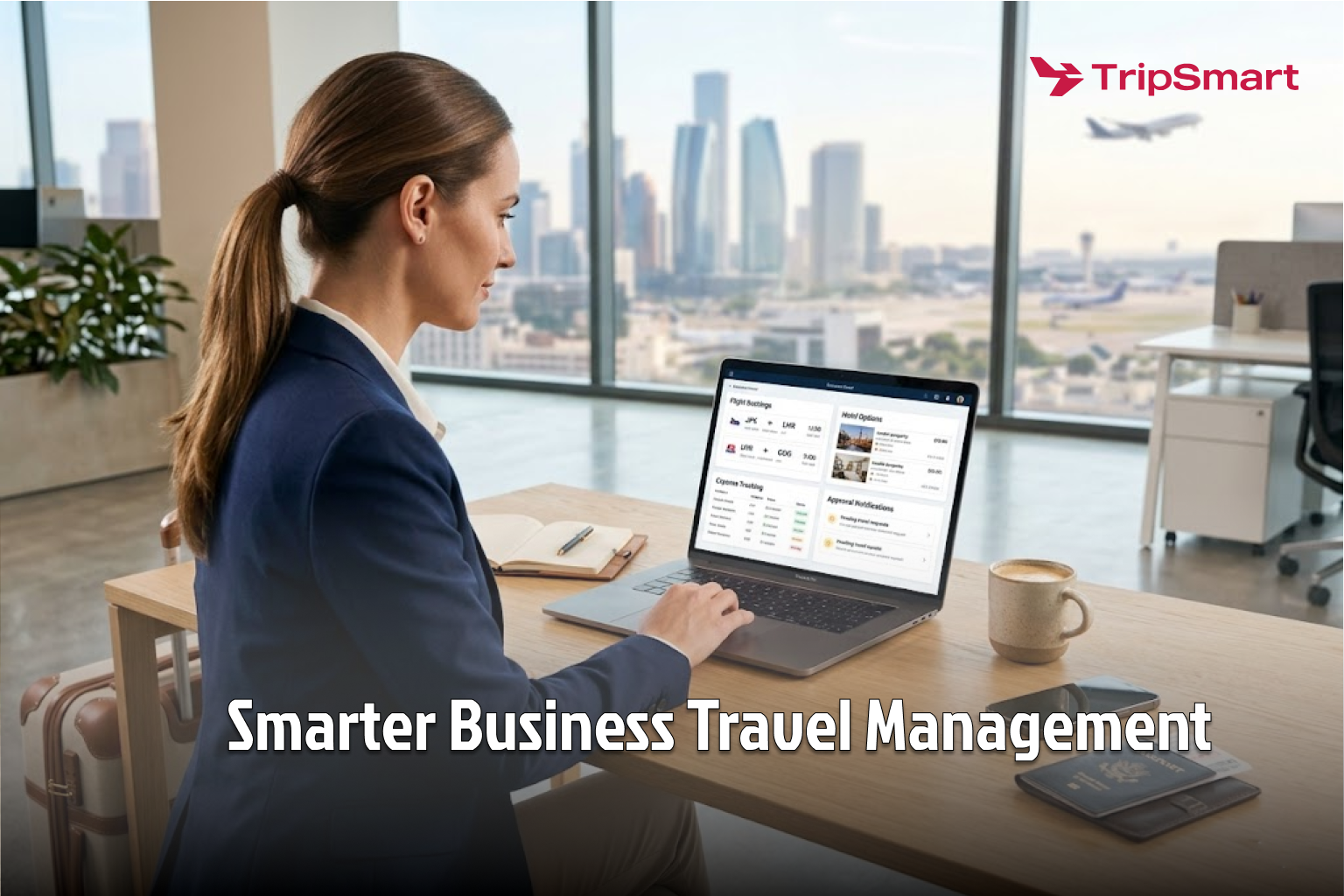



Managing business travel shouldn’t be complicated — yet for many companies, it still is.
Business travel plays an essential role in how companies grow, connect with clients, and explore new markets. From attending conferences to meeting partners and expanding global operations, employee travel has become a routine part of modern business.
However, managing travel plans, approvals, bookings, and expense reporting can quickly become complex if the process is not well organized. This is where modern solutions are changing the game.
The Challenges of Traditional Travel Management
Traditional travel management often involves multiple disconnected steps. An employee may request approval via email, wait for confirmation, and then search across different platforms for bookings.
This fragmented process leads to several common problems:
- Slow approval cycles
- Lack of visibility into travel spending
- Difficulty ensuring company policy compliance
- Time-consuming expense reporting
As companies grow, these challenges increase administrative workload and reduce overall productivity.
A Centralized Approach to Corporate Travel
Modern platforms bring everything into one place. Instead of using separate tools, organizations can manage approvals, bookings, and expenses through a single system.
Employees can submit travel requests directly, managers can approve them quickly, and bookings can be completed within the same platform. This streamlined approach ensures efficiency while maintaining control over company policies and budgets.
Simplified Expense Management
Expense reporting is often one of the most frustrating parts of business travel. Employees must track receipts manually and submit reports after their trips.
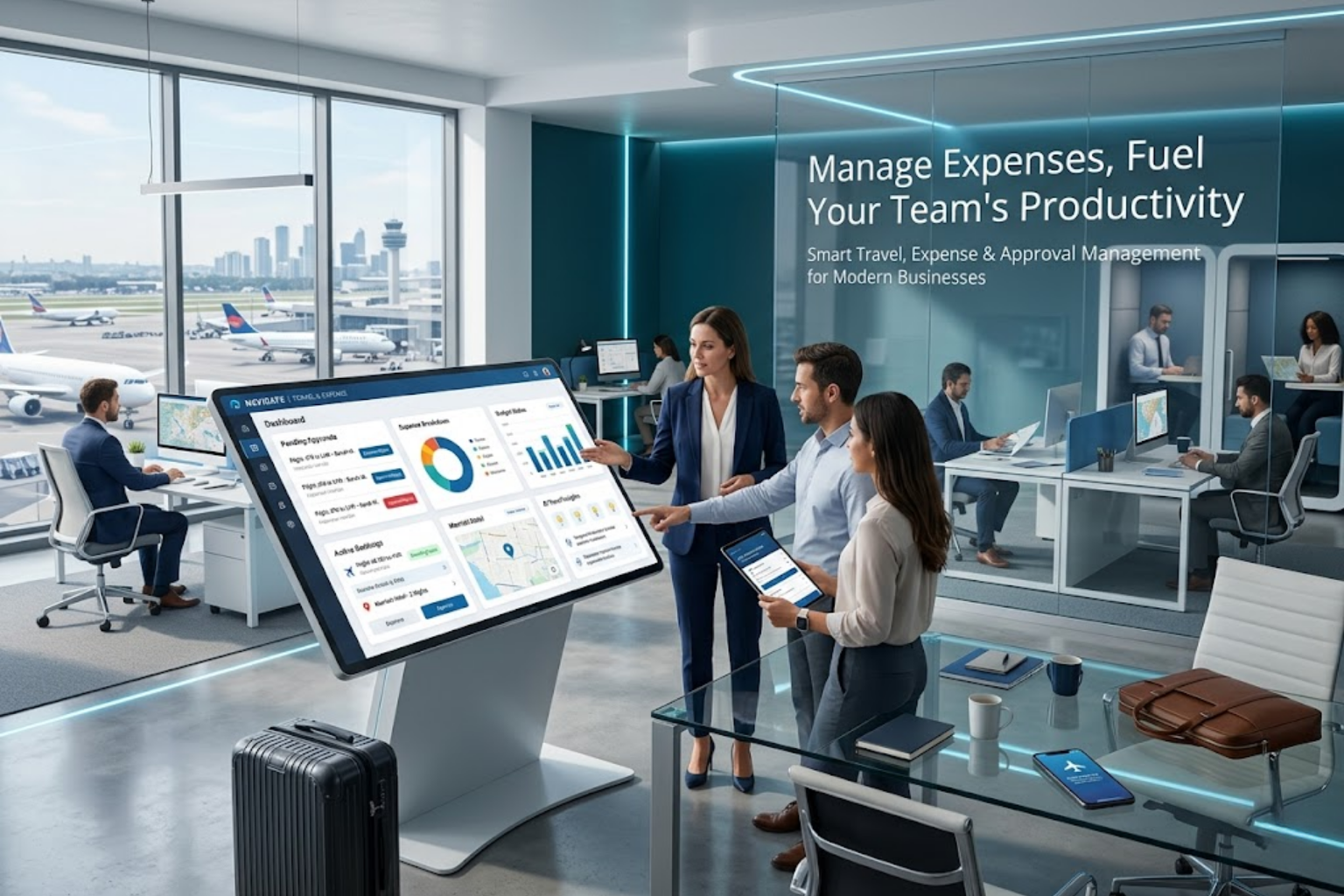
With digital solutions, expenses can be uploaded instantly, categorized automatically, and linked to specific trips. This reduces manual work and helps finance teams process reimbursements faster and more accurately.
Automated Approval Workflows
Approval processes are essential to control costs and maintain policy compliance. Smart systems allow businesses to set customized approval workflows based on roles, departments, or spending limits.
For example, smaller expenses may require only manager approval, while higher budgets may involve finance or senior leadership. This automation reduces delays while keeping the process structured and transparent.
Better Control Over Travel Budgets
Business travel can represent a significant portion of operational expenses. Without proper tracking, it becomes difficult to understand spending patterns.
Centralized platforms provide real-time insights into travel costs, allowing companies to monitor budgets, analyze trends, and optimize spending. This helps reduce unnecessary expenses while maintaining efficient operations.
Supporting Modern Business Needs
Today’s companies operate in a fast-paced, global environment. Employees often need to travel quickly for meetings, partnerships, and growth opportunities.
A modern travel management system supports this flexibility while ensuring control over costs and compliance. It allows businesses to scale efficiently without increasing administrative complexity.
The Future of Business Travel Management
Business travel management is evolving with technology. Companies are moving away from manual processes and adopting digital platforms that automate workflows and improve transparency.
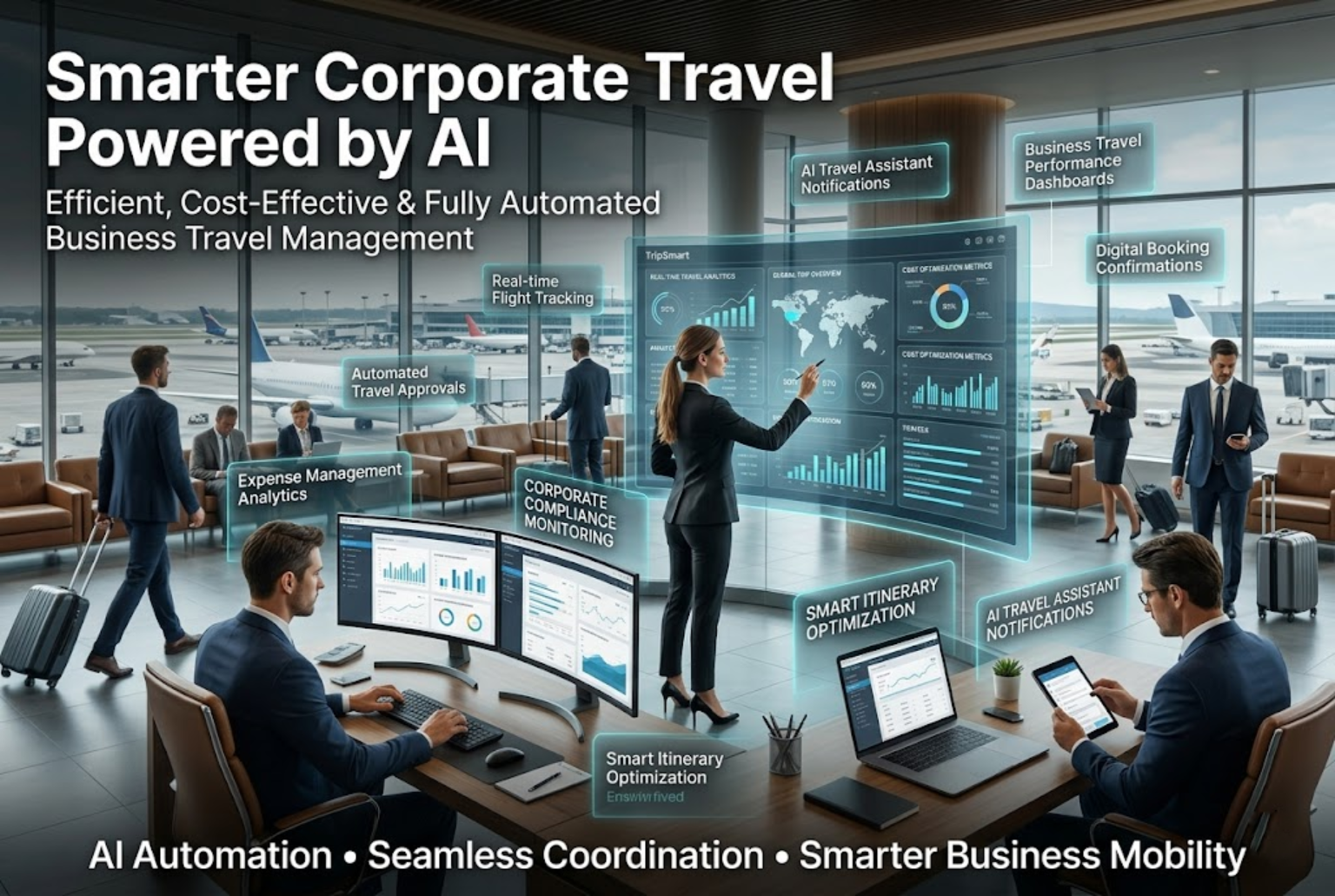
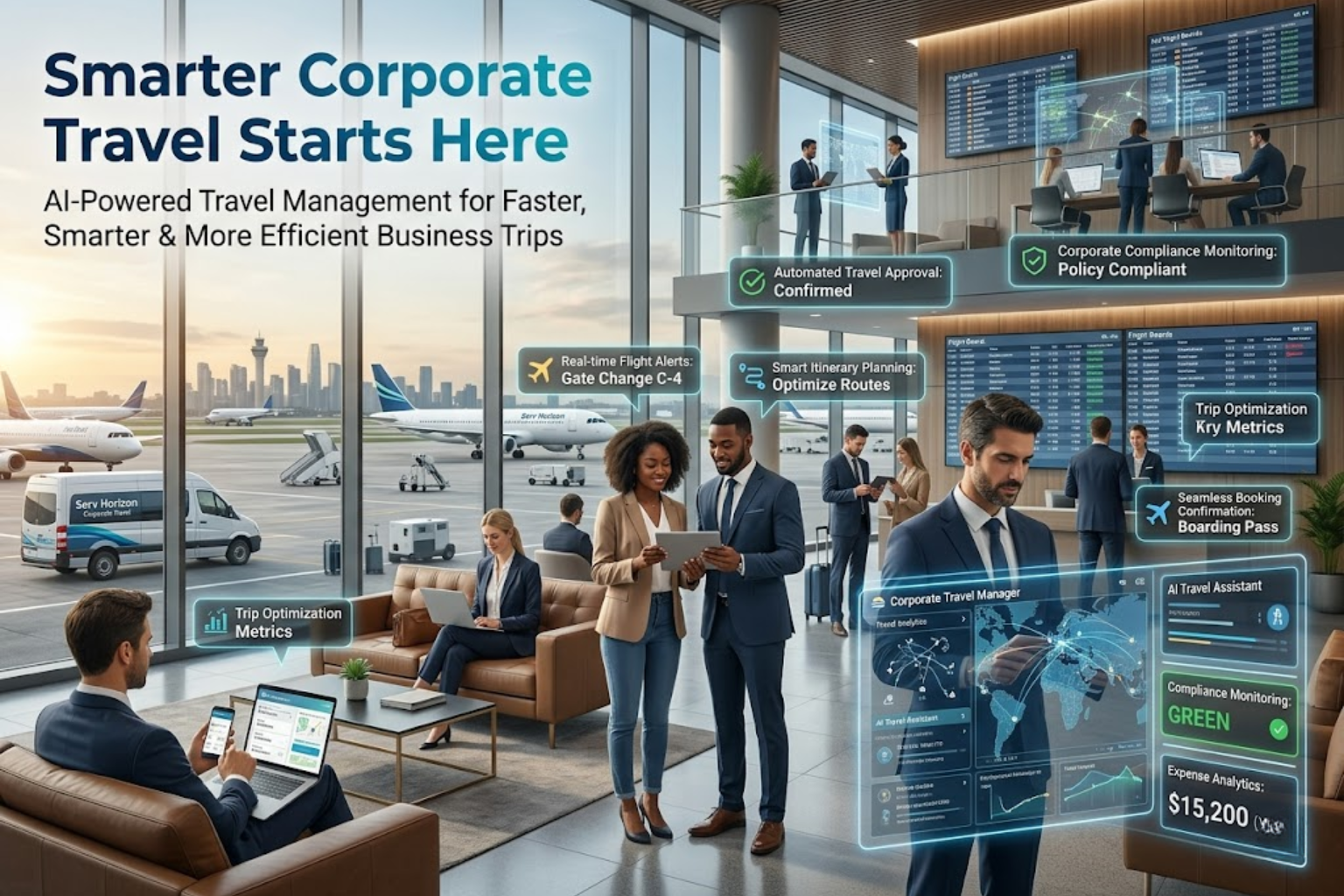
Solutions like TripSmart combine travel planning, booking, expense tracking, and approvals into one integrated system. This creates a smoother and more efficient experience for both employees and management teams.
Conclusion
In a world where efficiency and organization are essential for success, smarter travel management tools allow companies to handle business travel with greater control, clarity, and confidence.
By simplifying processes and improving visibility, businesses can focus more on growth and less on administrative tasks.

Leave a reply