



Corporate travel plays a critical role in business growth, collaboration, and global operations. Yet for many organizations, managing travel efficiently becomes a recurring challenge. What starts as a support function often turns into a source of unnecessary cost, policy violations, and employee frustration.
Understanding where companies go wrong is the first step toward building a smarter travel program.
Relying on Manual Processes
One of the most common mistakes is depending on spreadsheets, emails, and disconnected tools to manage bookings, approvals, and expenses. These manual workflows slow decision-making, increase errors, and make it difficult to maintain visibility across trips.
As travel volume grows, manual systems simply don’t scale.
Limited Visibility Into Spend
Without a centralized system, organizations struggle to understand where money is being spent and why. This lack of insight leads to missed savings opportunities, inconsistent vendor usage, and budgets that are hard to control.
When travel data is fragmented, financial planning becomes reactive instead of strategic.
Inconsistent Policy Enforcement
Many companies have travel policies on paper, but enforcing them in practice is another story. Employees often book outside approved channels, leading to higher costs and compliance risks.
Effective travel management requires policies that are built directly into the booking and approval process—not enforced after the fact.
Poor Traveler Experience
When systems are difficult to use or support is limited, employees feel the impact immediately. Complicated booking flows, unclear approvals, and delayed reimbursements can quickly turn business travel into a frustration rather than a productivity enabler.
A smooth experience matters just as much as cost control.
Lack of Real-Time Decision Support
Business travel decisions often need to happen quickly. Without real-time information and intelligent recommendations, teams end up making choices based on incomplete data, leading to inefficiencies and missed opportunities.
Modern travel programs require systems that support faster, better-informed decisions.
Moving Toward Smarter Travel Management
The most effective corporate travel programs focus on integration, visibility, and simplicity. By centralizing travel activities, aligning them with company policies, and providing clear insights, organizations can reduce complexity while improving outcomes for both finance teams and travelers.
How TripSmart Fits In
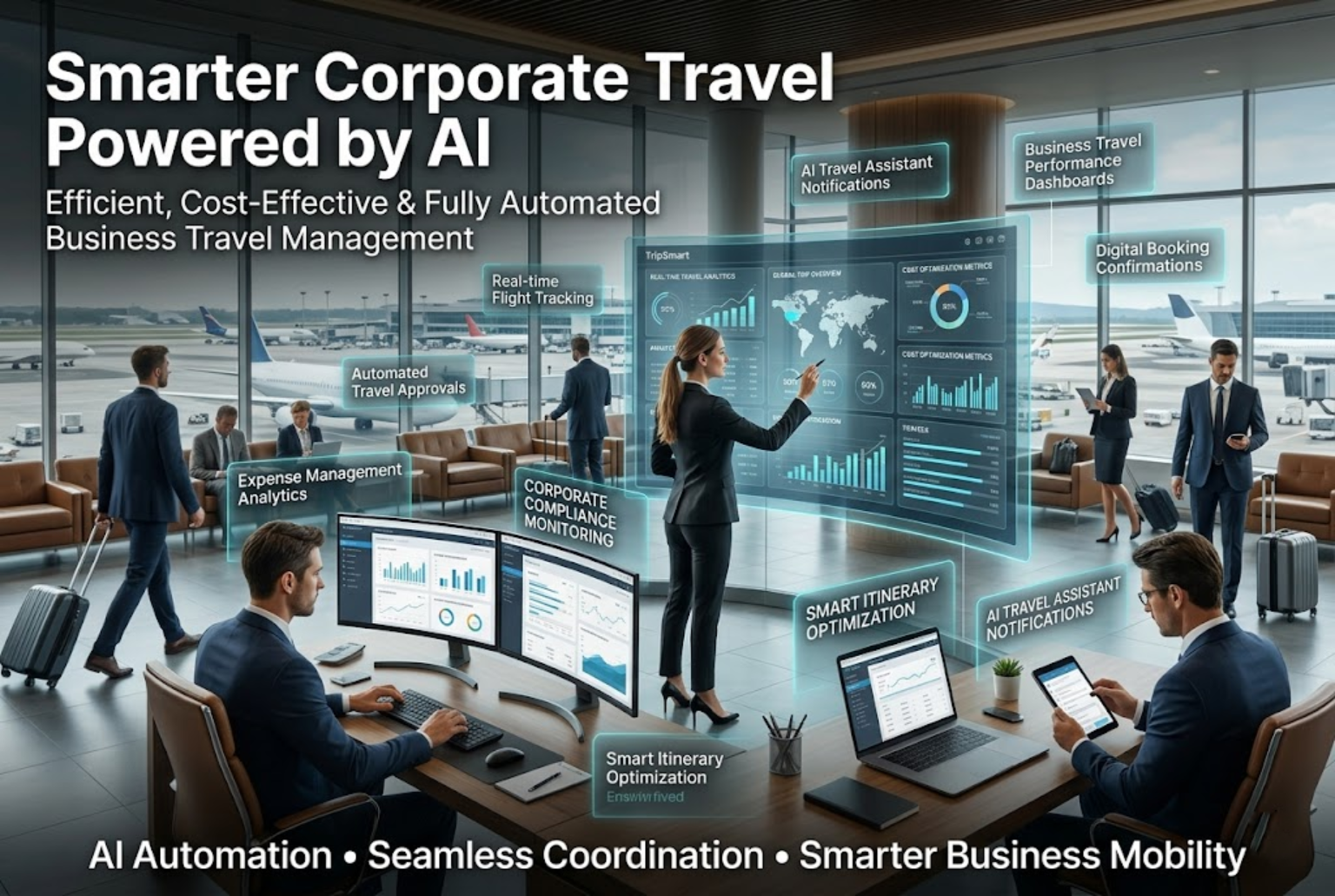
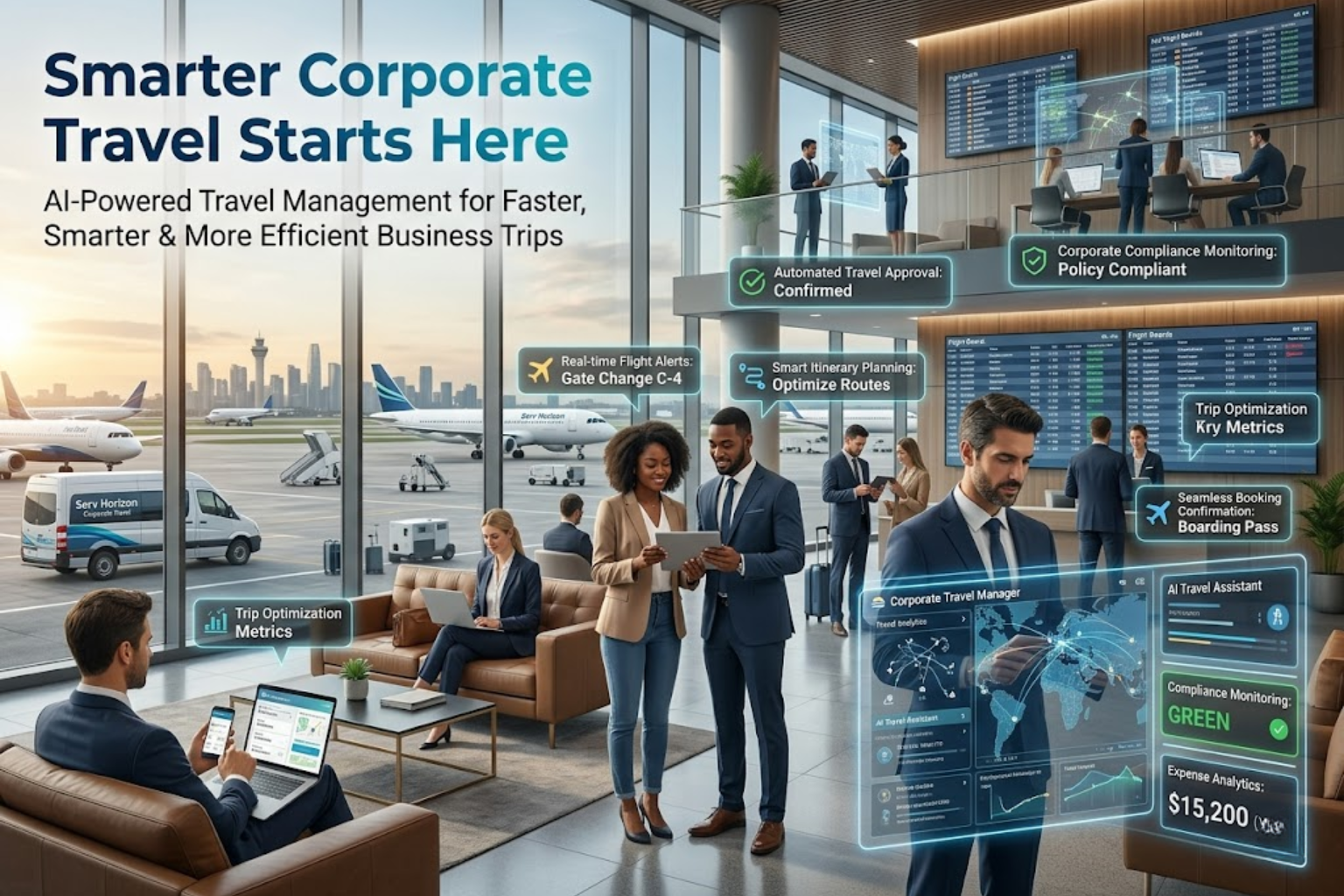
TripSmart is built for organizations that want clarity and control without added complexity. By bringing travel planning, oversight, and intelligence into a single platform, TripSmart helps businesses manage travel in a way that’s structured, compliant, and easy to use.
The result is a travel program that supports business goals, empowers employees, and adapts as organizations grow.
Leave a reply